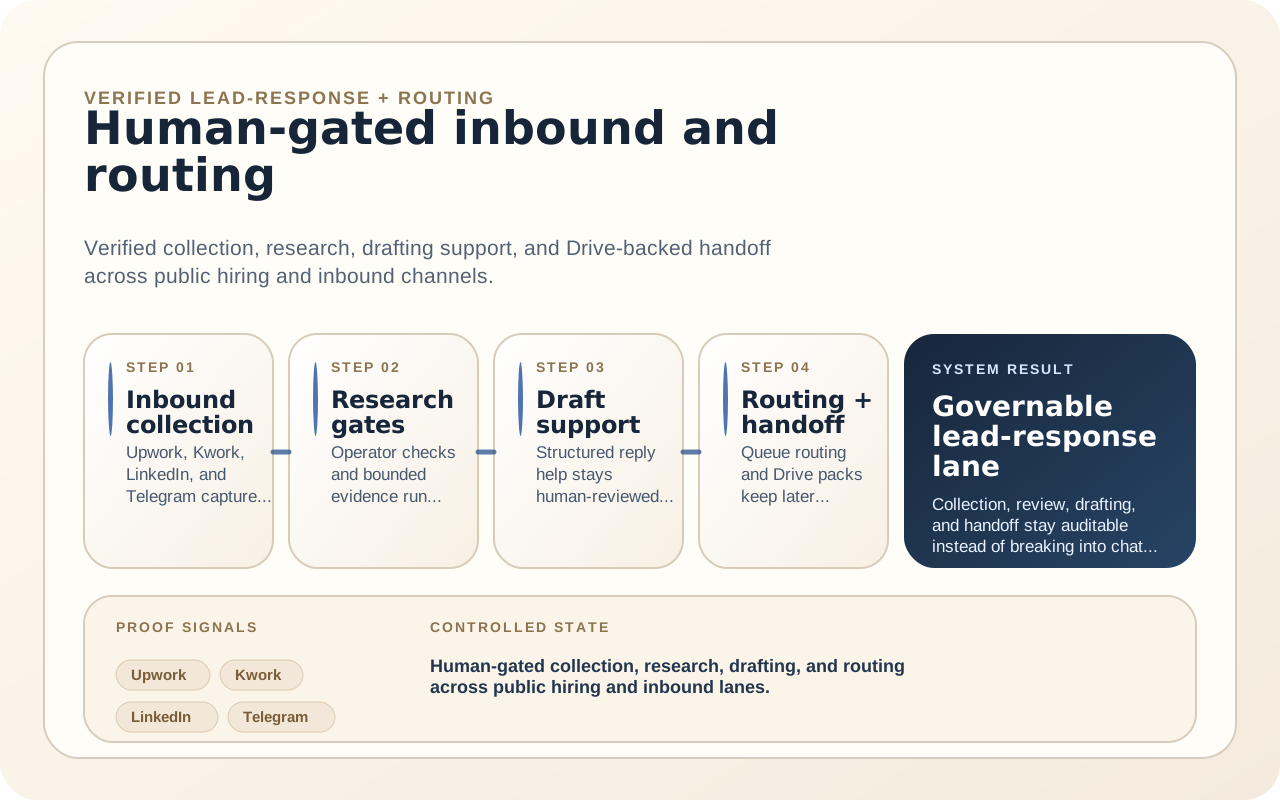
Lead response routing
Connects inbound channels to qualification, assignment, CRM state, follow-up, and a visible exception queue.
- Channel-aware intake
- Deterministic ownership
- Retry and exception visibility
Systems proof library
These boards focus on routing, state, ownership, exception paths, and operator control: the parts that determine whether an automation survives real work.
Connects inbound channels to qualification, assignment, CRM state, follow-up, and a visible exception queue.
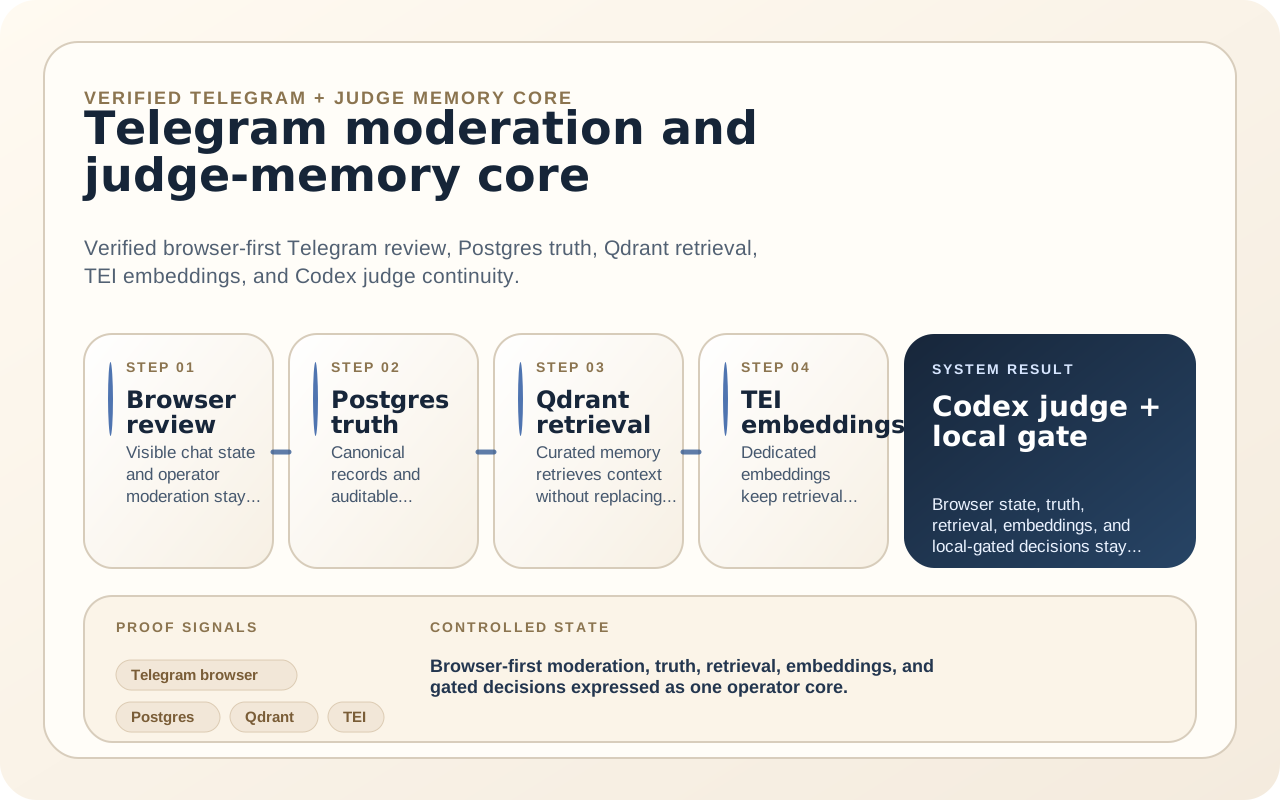
Structures retrieval, durable memory, response evaluation, and operator overrides around a real messaging workflow.
Discuss a private AI workspace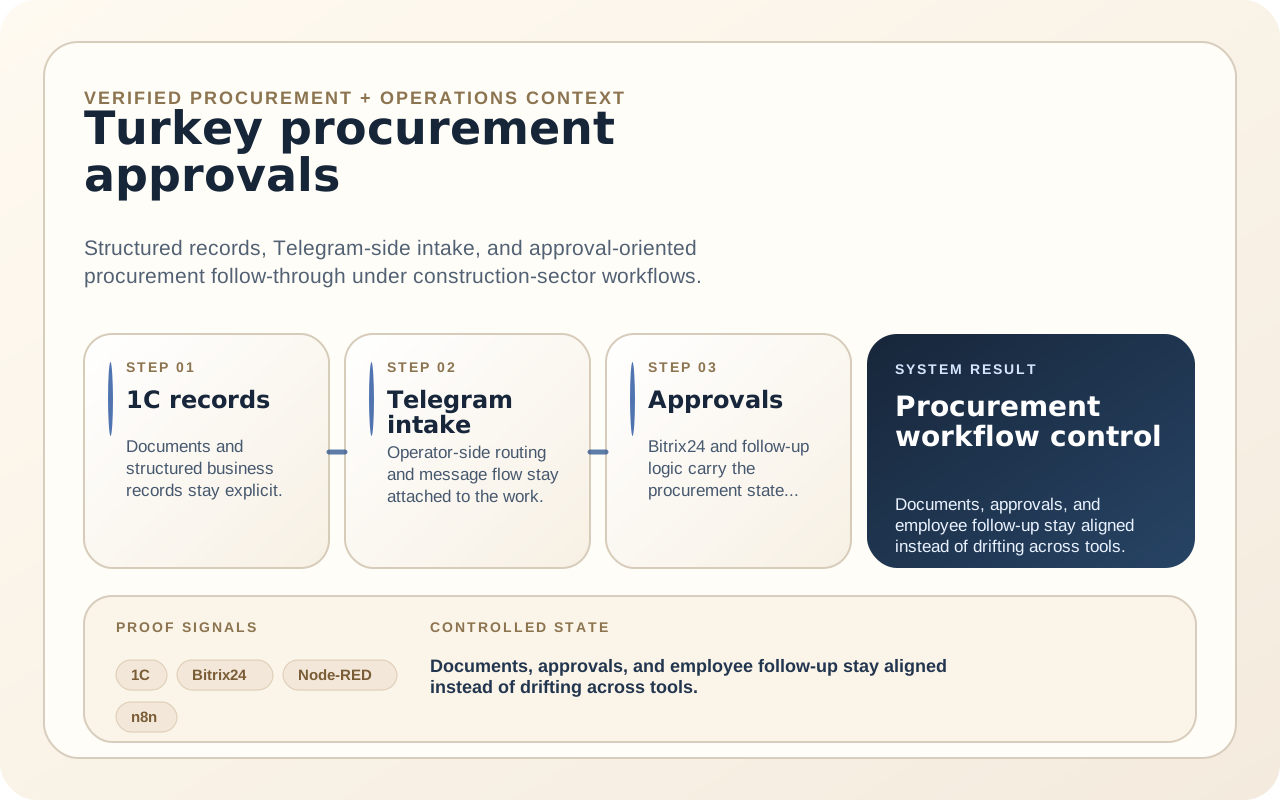
Routes field requests through assignment, proof collection, approvals, and management reporting without losing context.
Map an operations workflow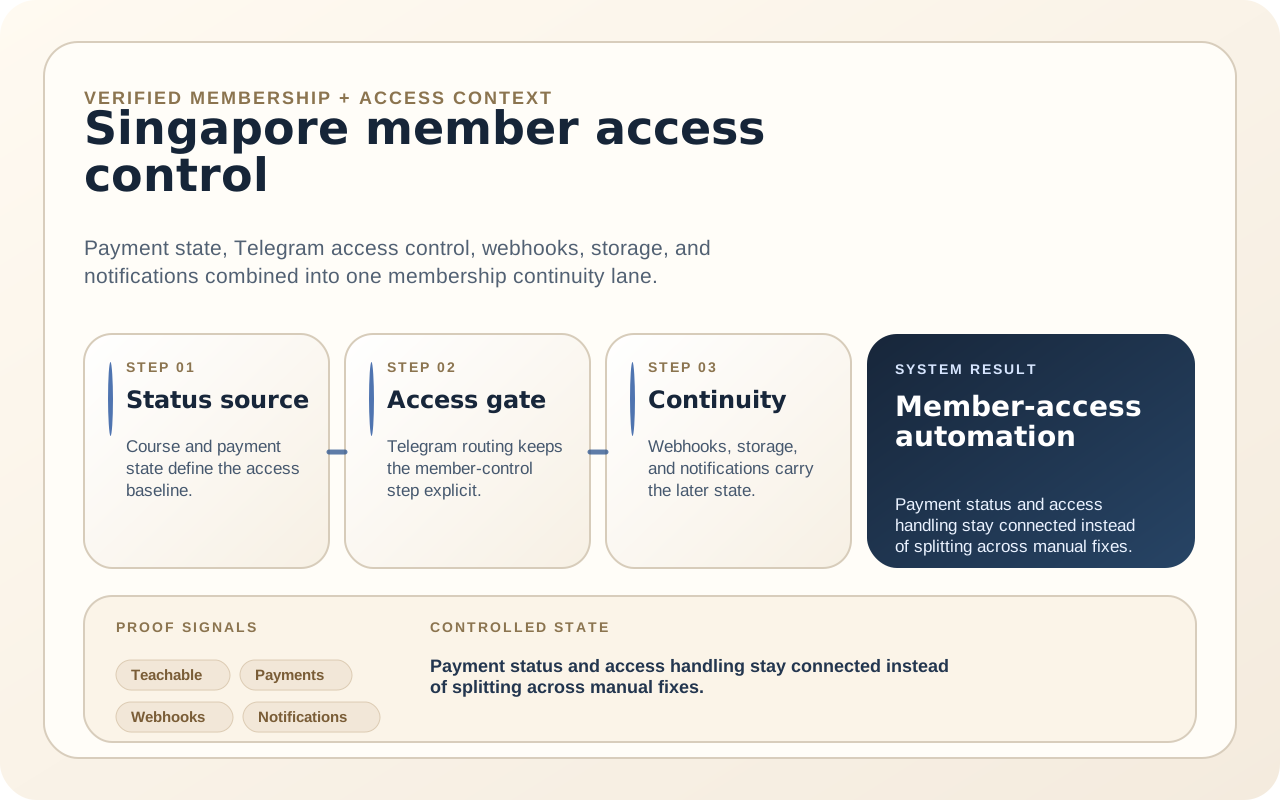
Coordinates identity, permission state, event handling, alerts, and audit history across physical and digital boundaries.
Review a critical system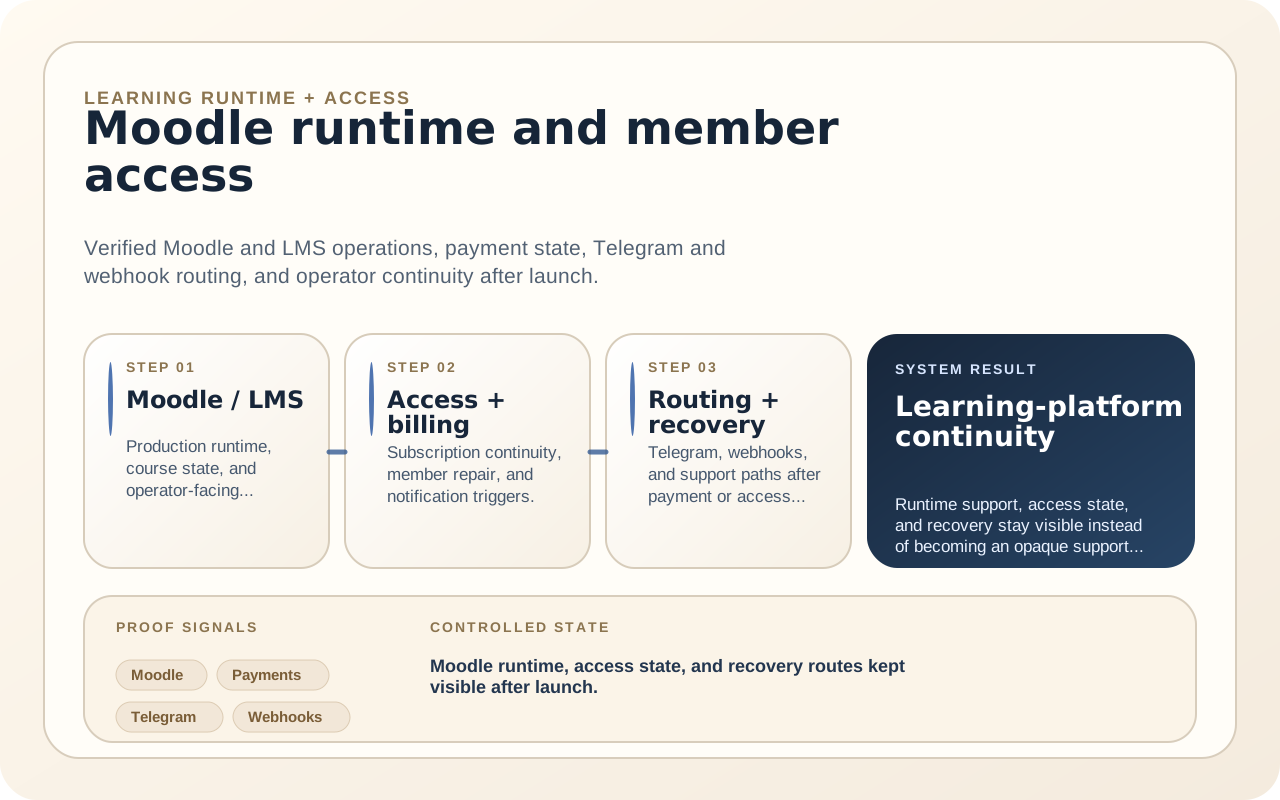
Aligns enrollment, payment state, access, content delivery, renewal, and support so learners do not fall between systems.
Repair a platform handoff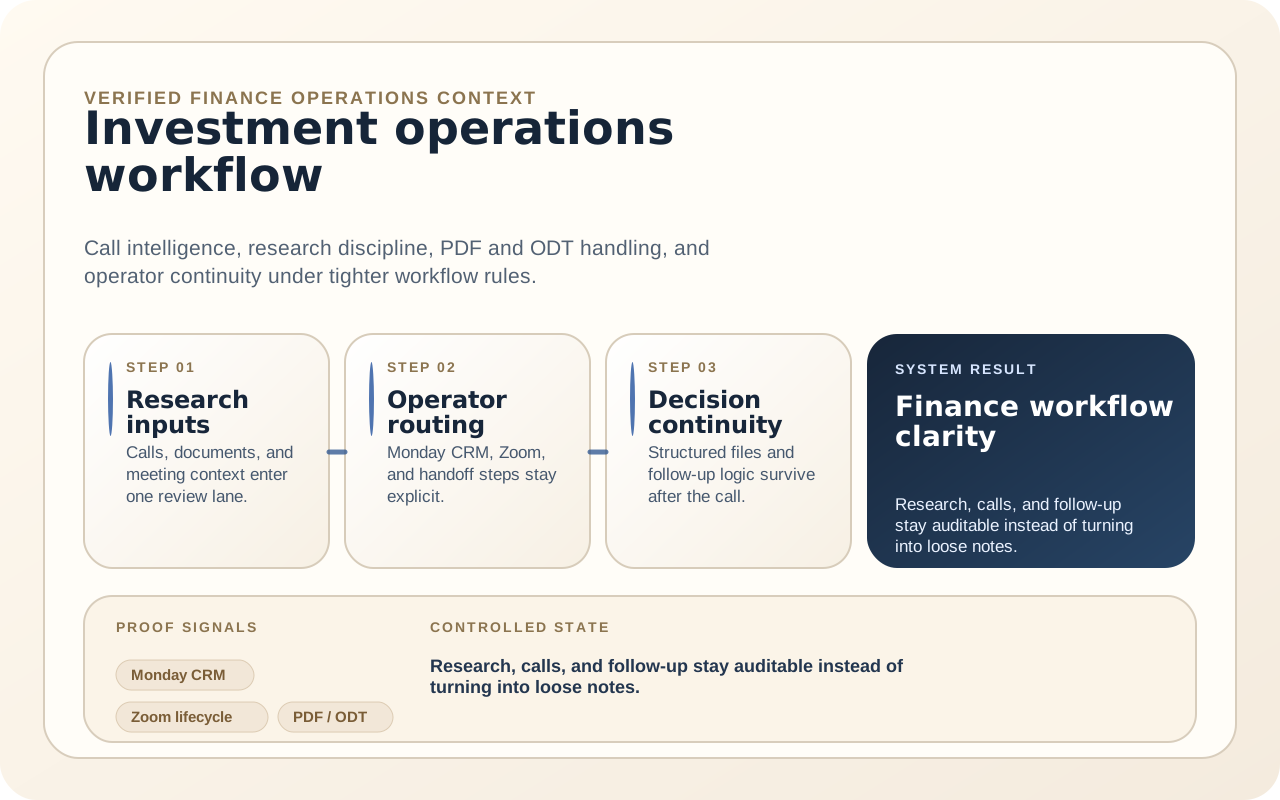
Creates an inspectable path across intake, diligence, decisions, document state, and portfolio reporting.
Audit a decision workflow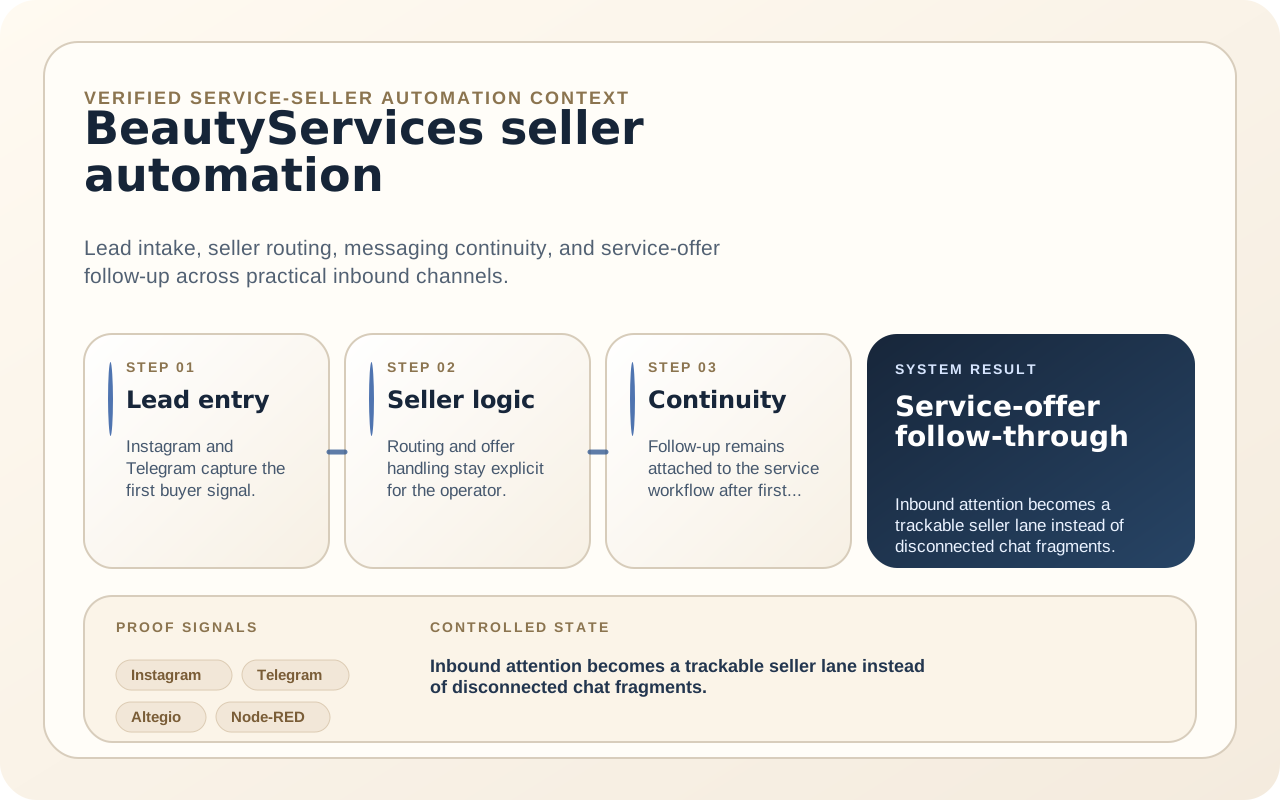
Guides a buyer from conversation through service matching, qualification, booking, and accountable follow-up.
Design a response path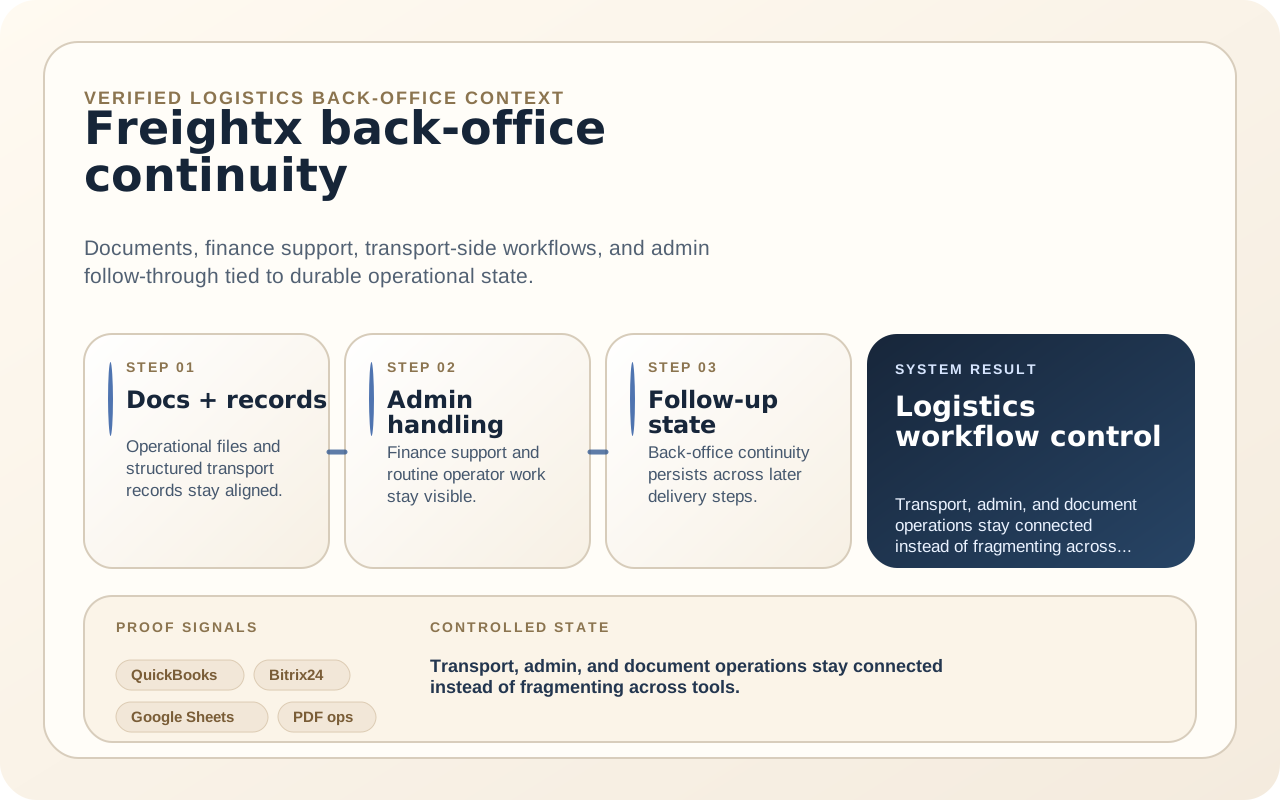
Turns shipment events, documents, exceptions, and client updates into one controlled operating path.
Map the exception loop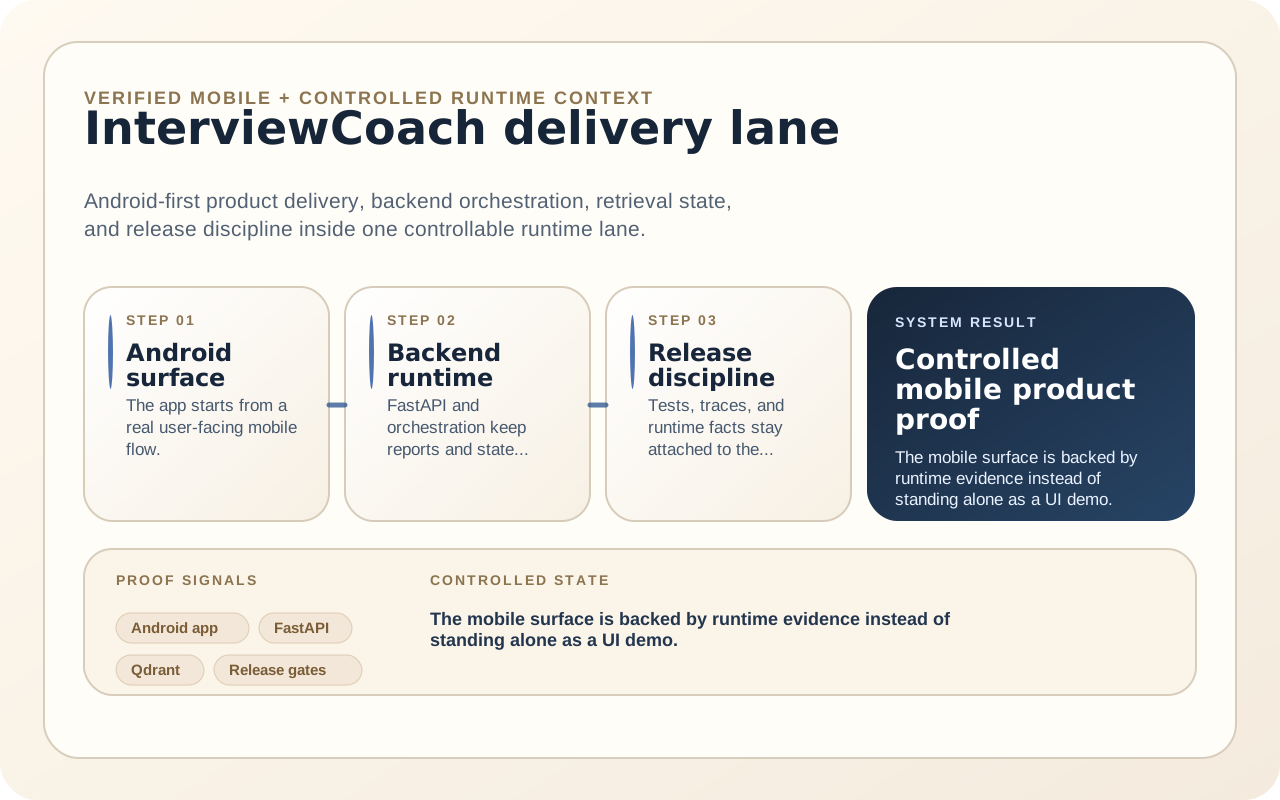
Coordinates session context, coaching logic, evaluation, user feedback, and privacy boundaries inside a focused product.
Scope a private AI productNo proof boards match this filter.
What the boards prove
The system knows what happened, what should happen next, and what requires human review.
Work does not disappear between a channel, CRM, operator, and downstream tool.
Retries, missing data, conflicts, and overrides are part of the architecture.
Operators can inspect the trail instead of trusting a black-box success message.
Your workflow is the next diagram
We will start by finding the constraint, not by forcing it into a preselected tool.
Request the smallest credible route